There’s a lot of chatter right now about the high costs of energy, and rightly so. The rising expenses of gas infrastructure are hitting everyone. Clean Water Action and our climate and labor partners wanted to dig deeper into how this is impacting real Massachusetts neighbors, particularly folks in Environmental Justice communities, so we launched two statewide surveys to learn more about the most pressing energy issues our communities face.
The top-line results are not surprising – most respondents’ number one priority was lowering energy costs. But in both surveys, we also saw clean energy development rank second. Here’s the best news: we can do both at the same time!
For the first survey, we teamed up with the Green Justice Coalition (GJC) to develop questions, and we were lucky to partner with our friends at the Community Economic Development Center and Mujeres Victoriosas to ensure that the survey was shared widely, not just in the greater Boston area, and that it was available to non-English speakers. The second survey was conducted with the Barr Foundation and Environmental Polling Consortium (EPC).
Across demographics, affordability, particularly energy affordability, is the most pressing issue for Massachusetts residents. In the Barr/EPC poll, 47% of respondents identified “lowering energy bills” as their preferred top priority for Massachusetts's future energy plans. And in the Clean Water Action/GJC poll, when asked to name the most important energy-related change we need to make, “lower utility bills,” came in first place. In fact, 119 out of 190 respondents in that poll reported having had trouble paying their energy bills this past year (Figure 1).
But here’s where it gets interesting: coming in a close second to the need to lower energy bills was support for increasing clean energy! 75 participants in the Clean Water/GJC poll selected this as the most important energy-related change we need to make (Figure 2). We see the same pattern play out in the Barr/EPC poll (Figure 3); “Expanding clean and renewable energy” came in as the second highest priority after “lowering energy bills.”
Unlike in these surveys, Massachusetts residents don’t have to choose between lowering costs and developing clean energy. In reality, if our state continued to implement renewable energy solutions like solar and battery storage according to our projected plans for 2030, it would save ratepayers $313 million annually. By refusing to back down from our state leadership in the clean energy industry, we will be saving residents, and our members, money.
Diversifying our state energy portfolio further would only increase the cost saving benefits for ratepayers. A separate study of offshore wind’s impact on energy prices found that had our offshore wind program been allowed to complete construction rather than struggle through unnecessary federal delays, Massachusetts ratepayers could have saved between $105 - $212 million from December 2024-February 2025. Instead, ratepayers across New England were battered by steep increases in the price of natural gas.
It is no secret that fossil fuel lobbyists are committed to pitting affordability and renewable energy against each other. But our survey results reveal that despite decades of expensive PR campaigns designed to turn people away from clean energy, Massachusetts residents aren’t fooled. We know that clean energy means cleaner air, local jobs, and a livable climate future for the next generation. But clean energy also means relief for ratepayers.
Developing wind, solar, and energy storage aren’t just good for the planet – they’re the best economic choice too, and the faster we can ween ourselves off dependence from fossil fuels imported from other states, the better!
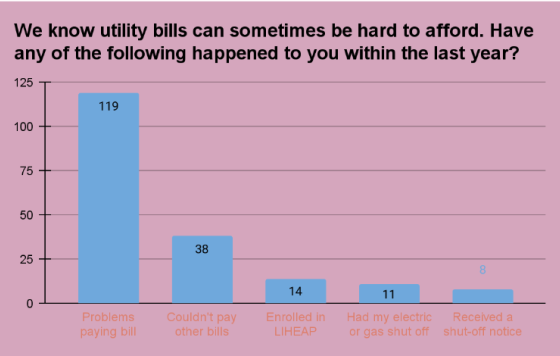
Figure 1. Our Clean Water/GJC poll demonstrates why energy affordability is the top issue on residents’ minds.
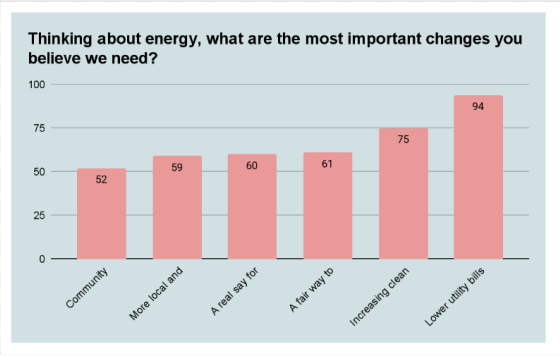
Figure 2: Despite struggling to pay energy bills, respondents to the Clean Water/GJC poll still ranked “increasing clean energy” as their second priority, after “lowering utility bills.”
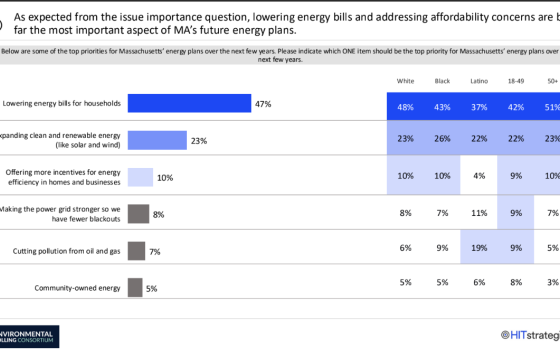
Figure 3: The Barr/EPC poll also saw “expanding clean and renewable energy” rank highly.


